
Plastic Surgery: what is it?
Plastic surgery has two types: reconstructive and aesthetic.
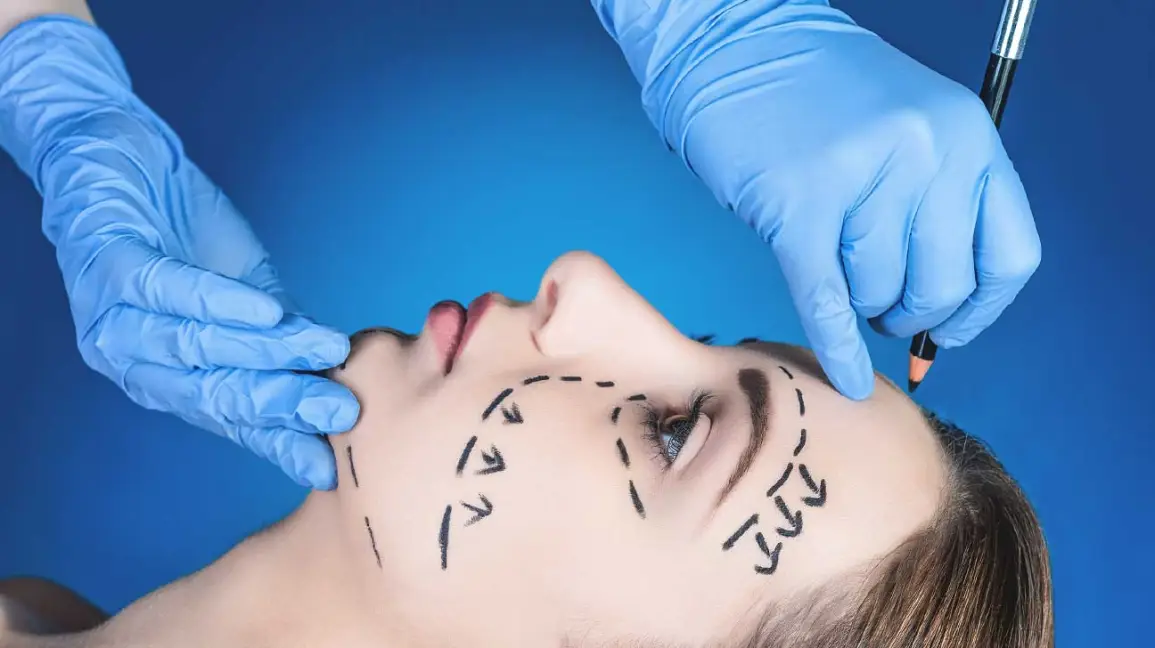
Definition
Plastic surgery is a broad surgical specialty focused on restoring and improving form and function of tissues throughout the body. It encompasses both reconstructive surgery to correct defects from trauma, illness, or birth anomalies, and cosmetic (or aesthetic) surgery to enhance appearance. The name comes from the Greek word "plastikos," meaning to "form" or "mold," reflecting the ability to reshape tissues.
Two Main Components
Reconstructive Plastic Surgery: This is the foundation of plastic surgery and addresses congenital defects, trauma, burns, and the after-effects of disease. Examples include fixing a cleft lip or rebuilding a breast after cancer.
Cosmetic (Aesthetic) Plastic Surgery: This type of surgery is performed to improve a person's appearance by changing a body part they are not satisfied with. Examples include nose reshaping (rhinoplasty) and liposuction.
Key Characteristics
Broad Scope: Plastic surgery can be performed on almost any part of the body, including the face, breasts, skin, hand, and trunk.
Focus on Technique: Unlike other surgical specialties defined by body areas, plastic surgery is defined by the innovative techniques it uses, such as tissue transfer, microsurgery, and complex wound management.
Goal: Beyond aesthetics, plastic surgery is crucial for restoring lost function, improving quality of life, and correcting problems caused by illness or injury.
Examples of Procedures
Reconstructive: Scar revision, skin grafts for burns, repairing hand injuries, and surgical correction of birth defects.
Cosmetic: Breast augmentation or reduction, liposuction, facelifts, and rhinoplasty.
In essence, plastic surgery is a versatile field that uses specialized techniques to mold and reshape body tissue to restore or improve both appearance and function.

About the Author
Dr Atef M. Souissi
Dr. Souissi is an accomplished medical professional with extensive expertise in international healthcare standards and patient care. With his deep knowledge of medical procedures and patient needs, he ensures that each treatment plan meets the highest quality standards while being tailored to individual requirements.